










Ada Traditional Area — Paramount Chief in ceremonial regalia

Ada Traditional Area · Greater Accra Region, Ghana

Ada: A State of Heritage,
Water, and Memory

More than a coastal destination, Ada is a traditional state shaped by estuary life, clan identity, ritual memory, salt, fishing, farming, and the meeting of river and sea.

A Land of Water, Memory, and Movement

Ada is one of Ghana's most distinctive cultural landscapes. It is at once a traditional state, a destination, and a living regional ecosystem that today spans Ada East and Ada West in the Greater Accra Region. To the visitor, Ada is known for the Volta estuary, wetlands, beaches, boat life, and the annual Asafotufiami Festival. To its people, it is a homeland of clans, queen mothers, priests, warriors, fishers, farmers, artisans, traders, and storytellers whose memory still lives publicly in processions, rites, and everyday community life.

Ada is not a single town. It is a wider traditional area that stretches across estuary settlements, inland communities, market corridors, fishing villages, wetlands, and district capitals — held together by shared history, clan memory, ritual geography, and the continuing authority of traditional leadership.

152,498

Total population (2021 Census)

2

Administrative districts

10

Clans of Ada

1

Paramount Chieftaincy

Ada at a Glance

Traditional Area

Ada State

Administrative Coverage

Ada East + Ada West

Capitals

Ada-Foah · Sege

Main Language

Dangme

Signature Festival

Asafotufiami

Landscape

Estuary · Lagoons · Wetlands · Coast · Islands

Main Livelihoods

Fishing · Farming · Salt · Trade · Tourism

Region

Greater Accra Region, Ghana

Two Districts

Ada East & Ada West

Ada East District

Capital: Ada-Foah

76,411

2021 Census

Ada East is the cultural and tourism heartland of Ada, where the Volta River meets the Atlantic Ocean. Home to the Ada Paramountcy, the Songor Lagoon, Fort Kongenstein, and approximately 19km of coastline from Kewunor to Totope. Ada East's 2025 budget notes 23+ hotels and restaurants and 8 tourism sites being pursued for national tourism master-plan inclusion.

MP · Ada Constituency

Hon. Comfort Doyoe Cudjoe-Ghansah

✓ Verified
Ada-Foah estuary & beachSongor LagoonFort Kongenstein19km coastlineIsland settlements on the Volta

Ada West District

Capital: Sege

76,087

2021 Census · projected 80,878 (2023)

Ada West is the agricultural and commercial heartland, stretching inland across fertile wetlands and savannah plains. The district is known for cassava, maize, legumes, fruits, vegetables, livestock, and marine fishing, with smoked and dried fish reaching markets in Sege, Kasseh, Denu, Agbogbloshie, Mamprobi, and Techiman.

MP · Sege Constituency

Hon. Daniel Keshi Bessey

✓ Verified
Sege market townAgribusiness corridorMarine fishingInland farmingTrade & commerce

Sources: 2021 Ghana Population & Housing Census · 2025 Ada East District Budget (mofep.gov.gh) · 2025 Ada West District Budget (mofep.gov.gh) · parliament.gh · adawest.gov.gh

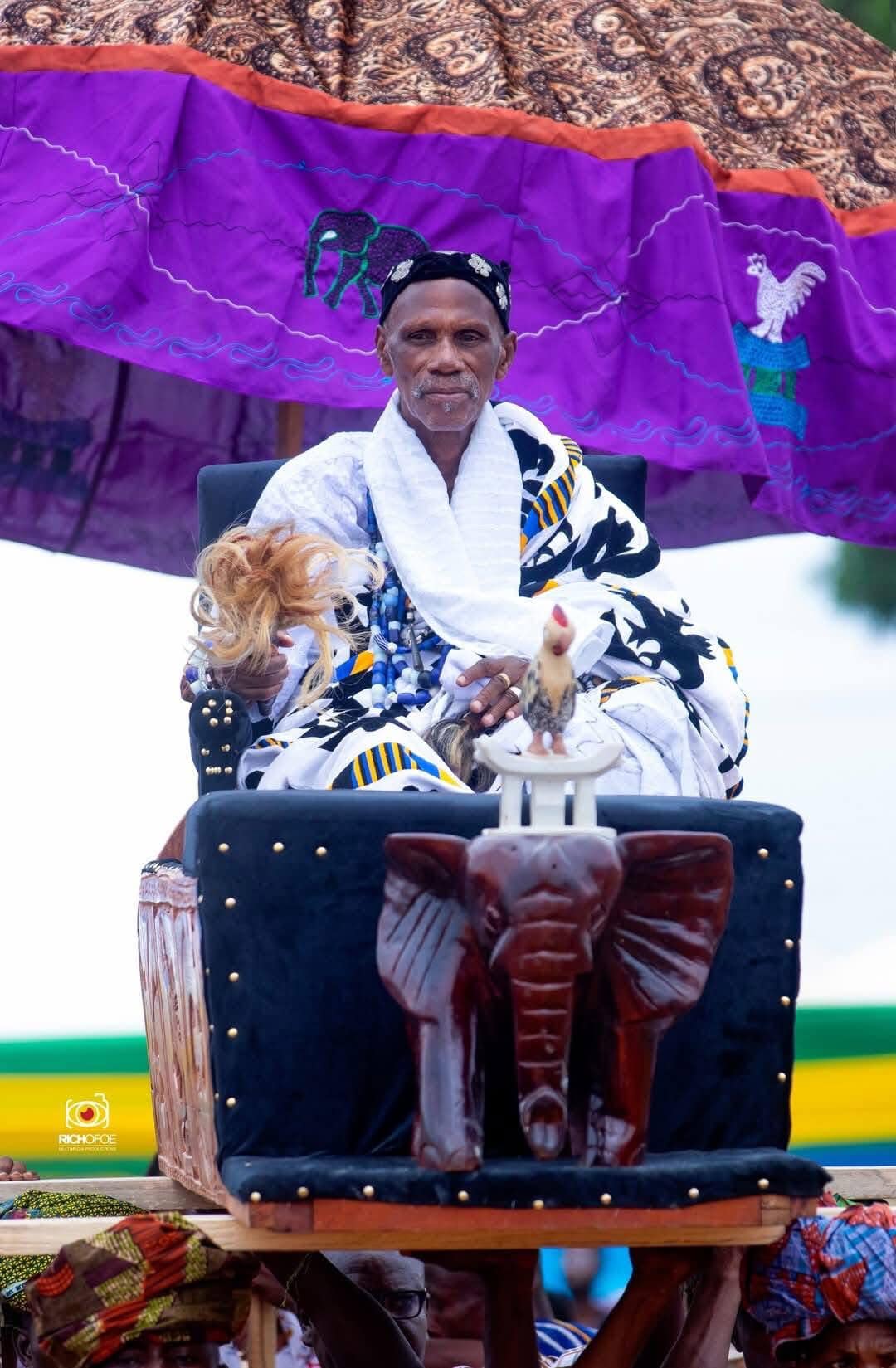
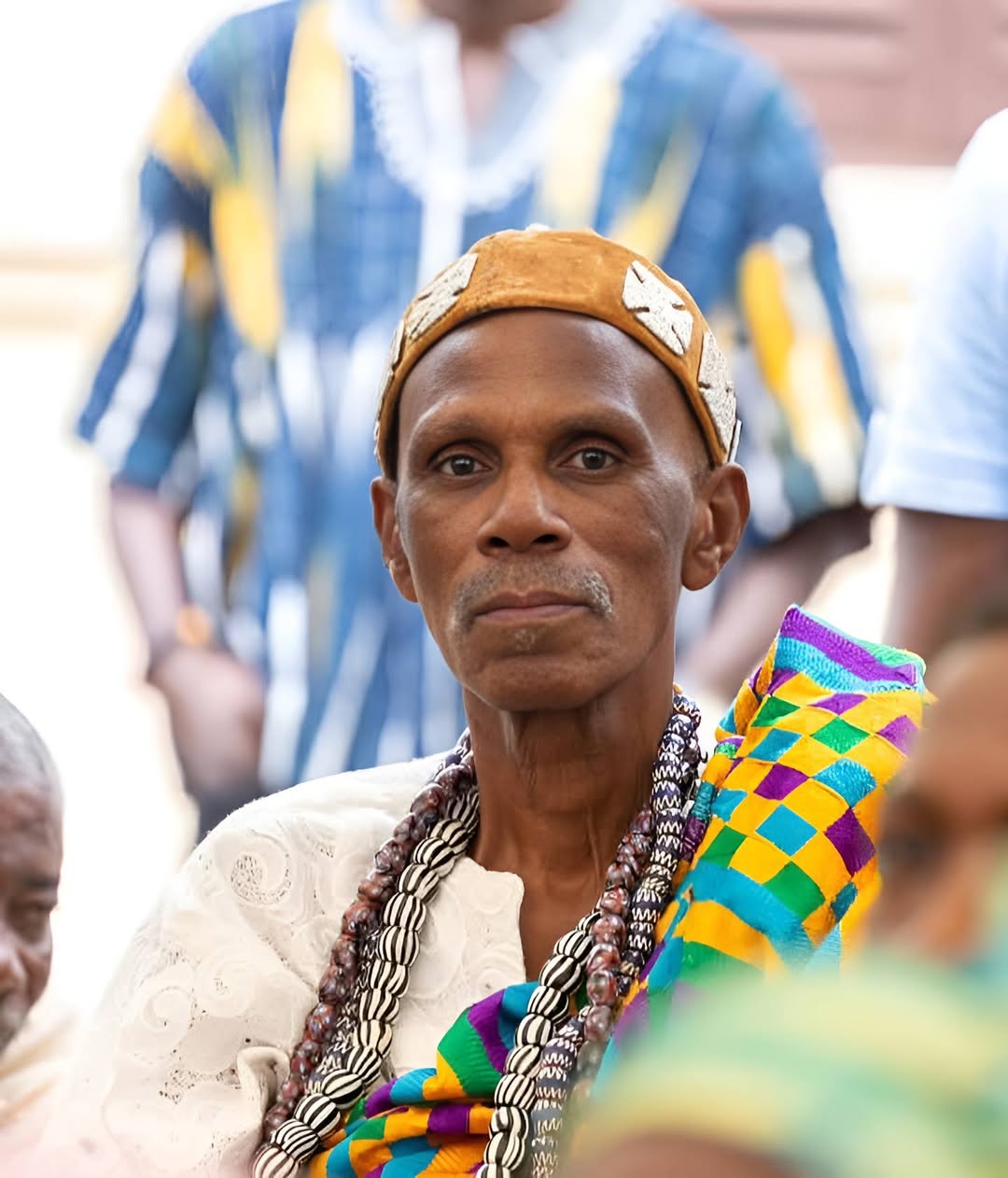
Nene Abram Kabu Akuaku III — Paramount Chief

Traditional Leadership & State Identity

Nene Abram Kabu Akuaku III

Also written: Dzetse Abram Kabu Akuaku III · HRM Jetse Abram Akuaku III

Paramount Chief of Ada Traditional Area
President, Ada Traditional Council

Nene Abram Kabu Akuaku III — identified in both public reporting and the 2024 Asafotufiami programme brochure — is one of Ghana's longest-serving Paramount Chiefs. His role is not merely ceremonial. The Ada Traditional Council, under his presidency, is one of the guardians of Ada's cultural memory, public festivals, clan coordination, and symbolic continuity.

The Traditional Council must be understood as a living institution — one that coordinates the ten clans, governs ceremonial life, and provides the continuity that binds Ada across its two administrative districts and its diaspora.

Source: 2024 Asafotufiami Programme Brochure · Ada Traditional Council

Nene Abram Akuaku III

"Ada's greatness is not measured by monuments, but by the unity and dignity of her people."

— Nene Abram Kabu Akuaku III

Paramount Chief in ceremonial regalia

Nene Abram Kabu Akuaku III

Paramount Chief · Ada Traditional Area · President, Ada Traditional Council

One of Ghana's longest-serving Paramount Chiefs · Source: 2024 Asafotufiami Programme Brochure

Women's Traditional Leadership

The Queenmothers of Ada

The place of women's traditional leadership in Ada deserves far more visibility than it usually receives. In 2024, the Ada Traditional Council formally launched the Ada Queenmothers Consortium on 30 May 2024 at the McDan Sports Complex — a sub-wing of the Council aimed at promoting Ada's development from a feminine leadership perspective. The following names, titles, and roles are sourced directly from the official 2024 Asafotufiami festival programme brochure.

Source: 2024 Asafotufiami Programme Brochure · Ada Traditional Council

Adibiawer

Brochure-listed
President

Naana Adiki Manyeyo Adi I

Queen of Adibiawe-Ada

President of the Ada Queenmothers Consortium. The Consortium was formally launched on 30 May 2024 at the McDan Sports Complex under the Ada Traditional Council, with the aim of promoting Ada's development from a feminine leadership perspective.

Ohuewem

Brochure-listed
Treasurer

Naana Asigbey Ogbo Adusu I

Queen Mother of Ohuewem

Treasurer of the Ada Queenmothers Consortium. Custodian of the Ohuewem clan's traditions of care, nurture, and continuity.

Lomobiawer

Brochure-listed
Financial Secretary

Naana Lomokie Lomo I

Queen Mother of Lomobiawe

Financial Secretary of the Consortium. Custodian of the Tilapia clan's traditions of endurance, resourcefulness, and resilience.

Dangmebiawer

Brochure-listed
Assistant Treasurer

Naana Adaniwa Avagbe I

Queen of Dangmebiawe

Assistant Treasurer of the Consortium. Custodian of the Crocodile clan's traditions of protection and controlled authority.

Ohuewem

Brochure-listed
Vice Secretary

Naana Akumtu Bisensu I

Queen Mother of Ohuewem

Vice Secretary of the Consortium. Her role reflects the shared custodianship of the Ohuewem clan's traditions between multiple senior women leaders.

Multiple clans

Pending
Consortium Members

Remaining Clan Queenmothers

Six clans · Pending Confirmation

Queenmothers of Kabiawertsu, Kabiaweryumu, Kponor, Korgbor, Kudzragbe, and Terkperbiawer are members of the Consortium. Full names and profiles to be confirmed in consultation with the Ada Traditional Council.

Clan representatives may submit or verify entries via the contact page. Pending entries are held open pending council confirmation.

Military Heritage

The Asafo and the Military Memory of Ada

To understand Ada, a visitor must understand that the Asafotufiami Festival is not just pageantry. It is rooted in an older military organisation and in the ceremonial return of warriors from conflict. The 2024 festival brochure explains that the yearly firing-of-musket festival was shaped out of the old welcome given to returning warriors and the remembrance of those who fell in battle.

Hlam-ta

Dangme

Frontier Forces

AdibiaweLomobiaweTekperbiawe

The three frontier clans led Ada's military advance. In the Asafotufiami procession, they open the march — their musketry, war dances, and display setting the ceremonial tone for the entire formation.

Se-Ta

Dangme

Rear Guard

Dangmebiawe

The Crocodile clan formed the rear guard of the main formation — a clan of protection and strategic strength safeguarding the column from behind.

Kpeti-Ta

Dangme

Middle Force

Ohuewem

The Ohuewem clan — Hand Holding an Egg — held the centre ground between frontier and rear, providing the core command and protective presence at the heart of the formation.

Dzase-Hem

Dangme

Front Guard of Dzase

Korgbor

The Chameleon clan served as the adaptable advance scout for the Dzase flank — capable of reading and responding to changing terrain and threat.

Dzase-Se

Dangme

Rear Guard of Dzase

KudzrageKabiawetsuKabiaweyumuKabiawekpono

Four clans — the Crab, Lion, Elephant, and Owl — formed the powerful rear guard of the Dzase flank, completing the encircling protective formation and securing the rear from multiple angles.

The Route of Return — Asafotufiami Friday Sequence

1

Applenayer

Old battlefield at Luhuese

The procession begins with war dances and musketry display at the old battlefield — a re-enactment of the original military return.

2

Lenobinya

Greeting the Paramount Chief

The warriors return to the Paramount Chief, renewing allegiance and receiving the ceremonial welcome of return.

3

Kpomkpompanya

Riverside departure-and-return point

Libation, musket firing over the Volta, and ritual hand/foot washing — the oldest ceremonial moment of the festival.

Saturday — Grand Durbar: Presby Middle School Park, Ada-Foah · Palanquins · Kente · Oath-taking · Drumming · Procession of the ten clans · Source: 2024 Asafotufiami Programme Brochure

Communities

Communities of Ada

Experience Ada must never reduce Ada to only Ada-Foah. The platform presents settlements in five clusters that reflect the natural geography, character, and economic identity of the wider Ada area.

Sources: 2025 Ada East District Budget (mofep.gov.gh) · 2025 Ada West District Budget (mofep.gov.gh) · 2024 Asafotufiami Brochure

Estuary & River Corridor

The iconic heart of Ada — where the Volta meets the sea.

Ada-Foah

District capital (Ada East) · Tourism hub · Paramountcy seat

Big Ada

Major settlement · Heritage district

Big-Ada Island

Island settlement on the Volta

Big-Ada Central

Central urban hub

Bedeku

Ada East riverside community

Ocanseykope

Estuary-edge community

Market & Trade Corridor

Regional trade nodes linking Ada to broader markets.

Kasseh

Major market town · Regional trade hub

Sege

Ada West capital · Administrative & commerce centre

Tamatoku

Road-adjacent inland settlement

Afiadenyigba

Trade corridor community

Matsekope

Inland settlement

Tehey

Market corridor village

Salt & Wetlands Belt

Communities tied to Songor Lagoon's salt economy and wetland ecology.

Pute

Wetland-edge · Salt belt community

Nakomkope

Community pan · Songor Lagoon

Agbedrafor

Salt community · Songor belt

Adjumanikope

Community pan community

Bornikope

Salt-adjacent community

Taflokpo / Kposem

Songor community-pan settlements

West / Inland Corridor

Agricultural and pastoral communities of Ada West.

Anyamam

Ada West inland community

Akplabanya

Agricultural settlement

Wokumagbe

Community cluster · Ada West

Lolonya

Wetland-adjacent community

Anyakpor

Farm corridor community

Goi

Inland Ada West village

Fishing & Coastal Corridor

Active fishing harbours and wetland-edge fishing communities.

Azizanya

Working fishing harbour · Ada estuary

Totope

Birding site · Coastal community

Kewunor

Coastal fishing community

Kpotsitsekorpe

Wetland-edge community

Kablavu

Coastal livelihood corridor

Lolonya

Wetland fishing community

Economy

How Ada Lives and Works

Ada's economy is woven through water, land, and movement. Agriculture is the main economic activity across both districts, supporting the majority of rural households through crop farming, livestock, fishing, and agro-forestry.

Sources: 2025 Ada East District Budget · 2025 Ada West District Budget · 2024 Asafotufiami Brochure · electrochemghana.com

🎣
Primary sector

Fishing & Fish Processing

Fishing is one of Ada's most important livelihoods, with active fishing communities along the estuary and coastline including Azizanya, Kewunor, Totope, and Anyakpor. Smoked and dried fish reach markets in Kasseh, Sege, Denu, Agbogbloshie, Mamprobi, and Techiman.

🌾
Primary sector

Agriculture & Farming

Ada West is known for cassava, maize, legumes, fruits, vegetables, and livestock. Ada East also supports strong agricultural activity, with agro-forestry and crop farming integral to rural household income across both districts.

🧂
Industrial & communityelectrochemghana.com

Salt Production

Songor Lagoon is home to one of Ghana's largest salt-producing operations. Electrochem Ghana holds a 41,000-acre concession and targets 1 million metric tonnes annually, while community-pan initiatives in Nakomkope, Agbedrafor, Adjumanikope, Bornikope, Taflokpo, and Kposem represent the local participation dimension of Ada's salt economy.

🛒
Commerce

Trade & Markets

Kasseh and Sege are the two major market towns of Ada. Kasseh market draws traders from across the Ada area and beyond. A milk collection point at Sege reflects emerging agribusiness in Ada West, with opportunities in tomatoes, pepper, watermelon, mango, and dairy processing.

🏖️
Growth sectorAda East 2025 Budget

Tourism & Hospitality

Ada East's 2025 budget identifies 23 hotels and restaurants and 8 tourism sites being actively pursued for national tourism master-plan inclusion. The Ada Tourism Stakeholders Association offers accommodation reservations, tour guiding, event organising, volunteer placement, and visitor information services.

🌿
Emerging sector

Wetlands & Eco-Economy

Ada's wetland environment supports both ecological conservation and livelihoods. Tourism resources at Obane, Kwalakpoyom, Pute, and Futuenya are identified in official Ada East documentation. Mangrove forests, crocodile islands, migratory bird sites, and sea-turtle observation all form part of Ada's emerging eco-economy.

Salt Economy Spotlight

Songor Lagoon: Industrial Scale, Community Depth

Electrochem Ghana publicly states it holds a 41,000-acre concession at Songor targeting 1 million metric tonnes of salt annually. Alongside this industrial operation, community-pan initiatives in Nakomkope, Agbedrafor, Adjumanikope, Bornikope, Taflokpo, and Kposem represent the local participation dimension of Ada's salt story.

Source: electrochemghana.com · 2024 Asafotufiami Brochure

41,000

acres

Electrochem Songor concession

1M

metric tonnes

Annual salt production target

6+

communities

Community pan settlements

2

dimensions

Industrial + community salt economy

Natural Heritage

Water, Wetlands, and Coastal Ecology

Ada's identity is inseparable from its ecological setting. Ada East's 2025 budget describes the Volta's formation of island settlements and positions the district as a place of cool coastal-river conditions suited to relaxation and tourism. The document notes wetland-water-tourism resources at Obane, Kwalakpoyom, Pute, and Futuenya, while official tourism sources highlight mangrove forests, crocodile islands, migratory bird sites, sea-turtle observation, and wide estuary-water experiences.

Ada's cultural richness and ecological richness are not separate stories — they reinforce each other. A people shaped by water have developed a culture rooted in water, and the landscapes they have inhabited for generations are among Ghana's most distinctive natural environments.

Sources: Ada East 2025 Budget (mofep.gov.gh) · visitghana.com

Explore Ada's Natural Wonders

Volta Estuary

Where the great Volta River meets the Atlantic Ocean — Ada's most iconic natural confluence

Songor Lagoon

One of Ghana's largest wetland ecosystems and a major salt-producing zone

Mangrove Forests

Ecologically conserved mangrove systems supporting biodiversity and community livelihoods

Totope Birding Site

A migratory bird watching site on Ada's coastline

Island Settlements

Numerous island communities on the Volta River — accessible by boat

Crocodile Islands

Crocodile-inhabited island spaces on the Volta

Ada Coastline

~19km of coastline from Kewunor to Totope (Ada East 2025 Budget)

Obane & Futuenya

Wetland-water tourism resources identified in Ada East official documentation

Culture & Festivals

How Asafotufiami Lives in the Landscape

Asafotufiami is not merely spectacle — it is a re-enactment of return, allegiance, and remembrance. Musketry is not a performance; it is the sound of memory. The procession is not a parade; it is a ritual journey through places that carry names older than the festival itself.

The festival's traditional music, drumming, and kente-clad palanquin processions are accompanied by the full military formation of the ten clans — a living diagram of Ada's identity in public space.

Explore the Festival
Ada traditional leadership and cultural heritage